Kill Devil Hills, North Carolina: Coastal Living at the Heart of the Outer Banks
Kill Devil Hills, North Carolina, brings together beach-town ease, everyday convenience, and one of the most recognizable stories in American history. Located in the central Outer Banks, this Dare County community gives residents close access to the Atlantic Ocean, the sound, local shops, restaurants, schools, parks, and year-round services. It feels lively in the summer, yet it also supports a steady residential lifestyle for those who call the Outer Banks home year-round. Buyers are drawn to Kill Devil Hills for its location, variety of homes, practical amenities, and strong connection to outdoor living. Beach walks, fishing, biking, boating, and casual dining are part of daily life here. The Wright Brothers National Memorial adds a meaningful sense of place, while local neighborhoods offer options ranging from oceanside cottages to canal-front homes. For homebuyers who want coastal charm with practical access to schools, shopping, recreation, and transportation, Kill Devil Hills offers a welcoming place to land.
A Coastal Past Shaped by Flight and Community
Kill Devil Hills has a name people remember, and its origins remain part of Outer Banks lore. Local stories often connect the name to shipwrecks, pirates, and strong rum once called “kill-devil,” though the exact source has never been fully settled. Long before the town became a municipality, the area consisted of sandy hills, open shoreline, maritime routes, and small communities shaped by fishing, lifesaving, weather, and the Atlantic.
The event that placed Kill Devil Hills in world history happened on December 17, 1903, when Wilbur and Orville Wright achieved powered flight on the dunes near what is now Wright Brothers National Memorial. The brothers used the steady winds and open sand of the Outer Banks to test their aircraft, and the memorial now preserves the grounds where that achievement changed transportation forever. The site remains one of the community’s defining landmarks, drawing visitors while giving residents a daily reminder of the town’s role in aviation history.
Kill Devil Hills grew more steadily after bridges and improved roads made the Outer Banks easier to reach. Cottages, small businesses, guest accommodations, and services followed as beach tourism expanded through the 20th century. The town received its municipal charter in 1953, decades after the first flight, and continued to develop into one of the Outer Banks’ main residential and commercial centers. Today, Kill Devil Hills balances its role as a vacation destination with the needs of year-round residents. Its history still feels close, from the memorial on Big Kill Devil Hill to older beach cottages, local businesses, and neighborhoods shaped by generations of coastal living.
Homes for Sale
Everyday Life Between the Ocean and the Sound
Life in Kill Devil Hills centers on the water, but it also offers the practical comforts that make day-to-day living easier. Residents can start the morning with a beach walk, stop for coffee along Croatan Highway, pick up groceries or home supplies, and enjoy dinner at a local seafood restaurant without leaving town. The community has a strong mix of visitor-focused amenities and year-round services, which give homeowners convenient access to dining, shopping, recreation, and professional needs.
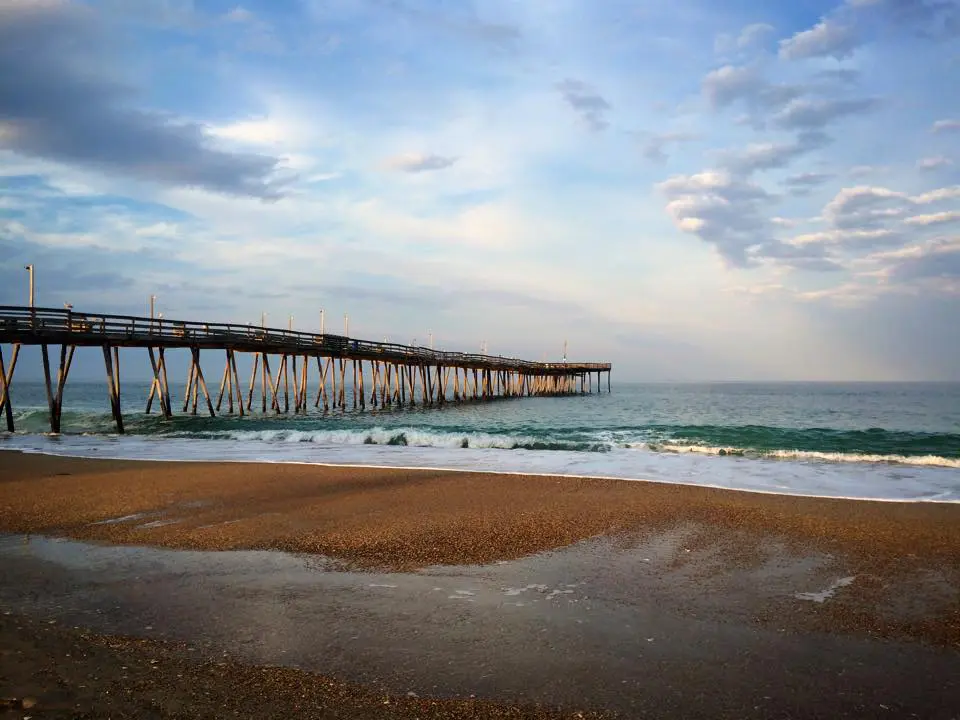
Outdoor recreation is one of the biggest advantages of living here. Public beach accesses make it easy to enjoy the Atlantic, while soundside areas offer beautiful sunset views, kayaking, paddleboarding, and quiet places to relax. Avalon Pier remains a favorite local landmark for fishing and ocean views. Wright Brothers National Memorial provides open grounds, walking paths, educational exhibits, and a meaningful place to spend time outdoors. Nearby Nags Head Woods Preserve adds trails and natural scenery just south of town.
Kill Devil Hills also supports an active community calendar. The First Flight Farmers Market brings residents together around local produce, baked goods, handmade items, and seasonal finds. Town events, holiday activities, youth sports, school programs, and civic gatherings help create a sense of connection beyond the beach. Aviation Park and local playgrounds give families places to gather, while multi-use paths and sidewalks make biking and walking part of the local lifestyle.
Dining and shopping add to the appeal. Residents can find casual seafood restaurants, breakfast spots, coffee shops, breweries, surf shops, boutiques, and beach gear stores throughout the community. The overall atmosphere feels relaxed and friendly, with enough activity to stay interesting through every season. Kill Devil Hills works well for people who want a coastal lifestyle with convenient access to amenities, whether they live here full-time, visit often, or plan to transition to year-round Outer Banks living.
Neighborhoods and Residential Areas in Kill Devil Hills
Kill Devil Hills offers a wide range of residential settings, from classic beach cottages near the ocean to soundside homes, established subdivisions, condos, and boating communities with a Kill Devil Hills address. Buyers can find primary residences, vacation homes, investment properties, and low-maintenance options throughout the area. Each neighborhood has its own feel, shaped by location, access, home style, and proximity to the beach, sound, schools, and local businesses.
Avalon Beach: Avalon Beach is one of the best-known areas in Kill Devil Hills, especially for buyers seeking a central location near Avalon Pier, Bay Drive, beach access points, and local restaurants. The neighborhood includes a mix of older cottages, updated beach homes, and properties that appeal to year-round residents and vacation homeowners. Its location gives residents easy access to both oceanfront recreation and soundside sunsets. Many homes sit on quiet residential streets while still staying close to the conveniences of Croatan Highway. Avalon Beach works well for those who want a classic Outer Banks setting with practical access to daily amenities.
First Flight Village: First Flight Village offers a residential feel near schools, parks, and the Wright Brothers National Memorial area. The neighborhood appeals to buyers who value central access and a community setting. Homes often include traditional beach layouts, raised designs, and yards suited for outdoor living. Its location near Veterans Drive places residents close to First Flight Elementary School, First Flight Middle School, First Flight High School, recreation areas, and local services. First Flight Village is a strong fit for year-round living, especially for those who want to stay near the center of town.
Croatan Shores: Croatan Shores gives residents a convenient location near the beach, restaurants, shops, and the main routes through Kill Devil Hills. The area includes homes and condos that appeal to buyers seeking easy access to the ocean and everyday services. Many properties are a short drive or bike ride from beach access points, making the neighborhood attractive to those who want coastal recreation close to home. Croatan Shores also benefits from its central location between Kitty Hawk and Nags Head, providing residents with quick access to neighboring Outer Banks communities. It offers a practical beach-town lifestyle with plenty nearby.
Ocean Acres: Ocean Acres has a quieter residential feel with a mix of year-round homes, wooded surroundings, and convenient access to both Kill Devil Hills and Nags Head. The area appeals to buyers who want a calmer setting while staying close to beaches, schools, restaurants, and shopping. Some streets feel tucked away from the busiest visitor areas, which gives the neighborhood a more private atmosphere. Nearby natural areas and local paths enhance the appeal for residents who enjoy walking, biking, and spending time outdoors. Ocean Acres is a comfortable option for buyers who want space, shade, and convenience.
Colington Harbour: Colington Harbour is a gated boating community on Colington Island with a Kill Devil Hills mailing address. It is especially popular with buyers who want canal-front homes, sound access, marina amenities, and a neighborhood built around water recreation. The community includes a clubhouse, boat ramp, pool, tennis areas, and other amenities that support an active coastal lifestyle. Homes range from modest cottages to larger waterfront properties with docks. Colington Harbour sits a short drive from the main commercial areas of Kill Devil Hills, offering a more residential setting while keeping town conveniences within reach.
Together, these neighborhoods show the variety available in the Kill Devil Hills market. Buyers can choose from walkable beach access, central convenience, proximity to schools, wooded residential streets, or boating-focused living. That range makes Kill Devil Hills appealing for full-time residents, second-home buyers, and those looking for a smart place to invest in the Outer Banks.
Schools and Learning Near the Birthplace of Aviation
Kill Devil Hills is served by Dare County Schools, and several public schools sit within the community. First Flight Elementary School serves early learners and elementary students, while First Flight Middle School supports students through the transition into higher grades. First Flight High School offers academics, athletics, arts, clubs, and student activities for high schoolers. The shared First Flight identity gives the local school community a strong connection to the town’s aviation heritage.
Dare Learning Academy also operates in Kill Devil Hills and provides an additional public education option for students who need a different setting or support structure. Families should always verify attendance zones and enrollment details with Dare County Schools, since boundaries can vary by address and may change over time. Some areas near the southern edge of town may connect differently at the elementary level, so direct confirmation matters during a home search.
Private and faith-based options are available nearby. Heron Pond Montessori School in Kitty Hawk serves students from preschool through high school, and Beacon Christian Academy in Kitty Hawk offers a Christian education option for younger students. Families looking for parochial or church-connected learning may also explore regional faith communities and nearby private programs across the Outer Banks. While Kill Devil Hills does not have the same number of private school options as larger inland cities, the area does offer several alternatives within a manageable drive.
Higher education is accessible through College of The Albemarle’s Dare County campus in Manteo, which offers community college programs, workforce training, and pathways for students who want to begin higher education close to home. Elizabeth City State University, located inland in Elizabeth City, adds another regional option for undergraduate study. These nearby resources help support lifelong learning for students, career changers, and adults seeking professional development while living on the Outer Banks.
Sunshine, Sea Breezes, and Four Coastal Seasons
Kill Devil Hills averages about 211 sunny days per year, around 49 inches of rain, and about 1 inch of snow. The climate reflects its coastal location, with warm, humid summers, cool, breezy winters, and a steady ocean influence throughout the year.
Spring brings comfortable temperatures, fresh greenery, and a return to outdoor dining, beach walks, fishing, and gardening. Highs often move through the 60s and 70s, making the season one of the easiest times to enjoy local parks, paths, and shoreline access. Breezes can feel brisk near the water, but spring usually feels bright and active.
Summer is warm, humid, and full of energy. Highs often reach the 80s, with ocean breezes helping temper the heat. This is the busiest season in town, when beaches, restaurants, shops, and vacation rentals fill with activity. Residents enjoy long beach days, evening walks, boating, surfing, and casual meals after sunset.
Fall is a favorite season for many locals. Temperatures often remain pleasant, the ocean stays warm into early fall, and the pace begins to settle after peak summer. Days in the 70s are common early in the season, followed by cooler evenings as the months progress. Fall also brings excellent fishing, beautiful sunsets, and comfortable outdoor conditions.
Winter is cooler and windier, with daytime temperatures often in the 40s and 50s. Snow is rare, though chilly rain and strong coastal winds can arrive with winter storms. The quieter season gives residents a calmer version of the Outer Banks, with open beaches, peaceful streets, and a slower pace that many year-round homeowners appreciate.
Getting Around Kill Devil Hills and the Outer Banks
Transportation in Kill Devil Hills is straightforward because the town sits along the Outer Banks’ main north-south routes. U.S. 158, also known as Croatan Highway, carries most commercial and regional traffic through town. N.C. 12, known locally as the Virginia Dare Trail in this area, follows the ocean side and connects beach neighborhoods, rental areas, and local access points. These two routes make it simple to reach Kitty Hawk, Nags Head, Southern Shores, Duck, Manteo, and Hatteras Island.
Most residents rely on personal vehicles for daily errands and commuting. Grocery stores, restaurants, shops, schools, medical offices, and service businesses are spread throughout the community, and driving remains the most practical way to manage daily life. Seasonal traffic can slow travel during peak visitor months, especially on Saturdays and around major intersections, but locals often plan around busy arrival and departure times.
Kill Devil Hills also supports biking and walking in select areas. Multi-use paths, sidewalks, beach roads, and quieter neighborhood streets give residents options for short trips, exercise, and recreation. The flat terrain makes biking more approachable, especially for those who live near schools, parks, beach access, and local shops.
Public transportation is limited compared with larger cities, but Dare County Transportation provides weekday service within Dare County, along with select out-of-county medical transportation. For air travel, Norfolk International Airport is one of the closest major commercial airports, with Raleigh-Durham International Airport and Coastal Carolina Regional Airport also serving travelers willing to drive farther. Local shuttle and car services offer airport transportation, helping residents and visitors reach the Outer Banks without having to handle the entire drive themselves.
Is Kill Devil Hills the Right Coastal Home for You?
Kill Devil Hills offers a strong blend of beach living, local history, practical convenience, and year-round community life. It gives residents access to the ocean, the sound, schools, restaurants, shopping, parks, and daily services while keeping them close to the wider Outer Banks. The town’s connection to the Wright brothers adds depth and character, while its neighborhoods offer options for a wide range of lifestyles and budgets. Buyers can find homes near the beach, central residential streets, wooded areas, condos, and boating communities with access to canals or the sound. If you’re considering a move to the Outer Banks, Kill Devil Hills deserves a close look. When you’re ready to compare neighborhoods, explore available homes, or learn which part of town best fits your goals, reach out for local guidance and a clear path toward finding your next coastal home.