
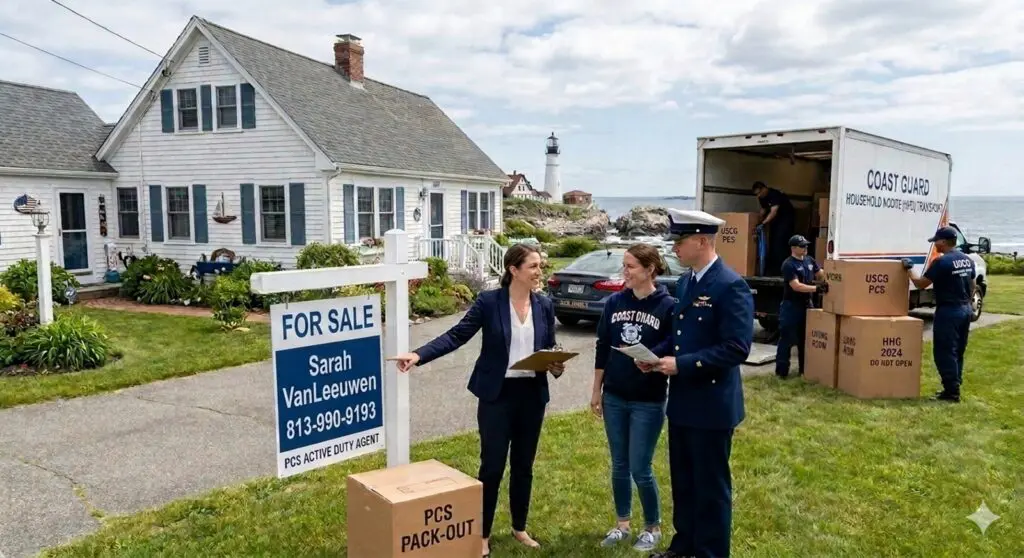
A Coast Guard PCS move can bring a fast shift in plans, timelines, and priorities, especially when a home sale becomes part of the transition. Sellers may need to prepare a property, price it well, manage showings, review offers, and move toward closing while also handling orders, family schedules, school changes, travel plans, and household logistics. A clear plan helps Coast Guard families stay focused, make confident decisions, and protect their equity during a season that often comes with many moving parts.
Understanding the Timing of a Coast Guard PCS Sale
Timing matters when a Coast Guard family prepares to sell a home during a PCS move. Orders may arrive with a firm report date, yet the real estate market follows its own pace. Sellers often need to coordinate home preparation, listing photography, showings, inspections, appraisal timelines, closing dates, packing, and travel. A strong plan begins with a clear look at the time available before departure.
The first step is to build a simple timeline. Sellers can start with the report date, then work backward. They should factor in how long the home may need for cleaning, repairs, staging, photos, listing preparation, buyer showings, negotiations, inspection requests, and closing. Many closings take several weeks once a buyer goes under contract, so waiting too long can create pressure. Early preparation can give sellers better options.
PCS sellers also need to think about whether they want to close before leaving or after relocating. Closing before departure can bring peace of mind and reduce the need to manage the property from a distance. Closing after departure may enable a stronger sales strategy in some markets, especially when sellers need extra time to prepare the home. Both paths can work when sellers understand the responsibilities tied to each choice.
Seasonal market conditions may also affect timing. Some areas see stronger buyer activity in spring and summer, while military communities may see movement tied to transfer seasons. Coast Guard sellers benefit from knowing how local demand, available inventory, and pricing trends may influence their timeline.
A thoughtful PCS sale timeline helps sellers avoid rushed decisions. It also gives them room to prepare the home well, communicate clearly, and stay organized during the move. With the right structure in place, the home sale can support the transition rather than add unnecessary stress.
Preparing the Home Before Listing
Home preparation can make a big difference when Coast Guard families sell during a PCS move. Buyers often form opinions quickly, and a clean, cared-for home can help them feel confident from the first showing. Sellers do not need to complete every possible project, but they should focus on updates and repairs that support a strong first impression.
Decluttering usually comes first. PCS moves already require sorting, packing, donating, and organizing, so sellers can use that process to prepare the home for photos and showings. Clear counters, tidy closets, open floors, and simple room layouts help buyers see the space clearly. Personal items, extra furniture, and crowded storage areas can make rooms feel smaller than they are.
Cleaning also matters. A deep clean can make the home feel well-maintained and ready for its next owner. Sellers should pay close attention to kitchens, bathrooms, flooring, windows, baseboards, light fixtures, and entry areas. Pet odors, cooking odors, and heavy fragrances can affect how buyers respond to a home, so fresh air and neutral scents work best.
Small repairs can also help prevent concerns. Loose handles, burned-out bulbs, damaged trim, leaky faucets, stained caulk, and minor wall marks may seem small, but buyers may notice them during showings. Fixing these items before listing can reduce distractions and support stronger buyer confidence.
Curb appeal deserves attention as well. A trimmed lawn, clean walkway, fresh mulch, tidy porch, and clean front door can help the home feel welcoming before buyers step inside. In coastal or humid areas, exterior cleaning may also help remove mildew or salt residue.
PCS sellers often have limited time, so preparation should stay practical. The goal is to make the home feel clean, maintained, and easy to imagine as a future home. Focused preparation can help the listing stand out and support a smoother sale.
Pricing With the PCS Timeline in Mind
Pricing a home during a Coast Guard PCS move requires a careful balance. Sellers want to protect their equity, but they also need a strategy that supports their relocation timeline. A price that sits too high can lead to fewer showings, longer days on market, and possible price reductions. A price that reflects the market can create stronger interest and better negotiating power.
A strong pricing plan starts with local market data. Recent comparable sales, current competition, pending homes, days on market, buyer demand, and property condition all matter. Sellers should look at homes that match their property as closely as possible, including location, size, age, updates, lot features, and overall condition. In military areas, buyer demand may shift during transfer seasons, so timing can be important.
PCS sellers should also think about urgency. A seller with several months before reporting to a new duty station may have room for a slightly different approach than a seller who needs to leave in a few weeks. The timeline does not mean the seller must accept less than fair value. It means the pricing strategy should match the market and the seller’s goals.
Overpricing can create avoidable stress. Buyers may skip a home that seems out of line with similar properties. If the home stays on the market too long, buyers may wonder if something is wrong. Price reductions can help, but they may also shift the seller into a weaker position later. A thoughtful starting price can help avoid that pattern.
Condition also affects price. A move-in-ready home may appeal to buyers who want fewer projects. A home that needs repairs can still sell well when priced correctly. Clear pricing helps buyers understand the value.
For Coast Guard families, pricing should serve the full PCS plan. The right price can help attract serious buyers, reduce uncertainty, and support a clean path toward closing.
Managing Showings While Preparing to Move
Showings can feel challenging during a PCS move because daily life may already feel full. Boxes, paperwork, family routines, pets, children, work schedules, and moving appointments can make it hard to keep a home ready for buyers. A practical showing plan helps sellers stay organized without adding unnecessary pressure.
The goal is to make showings easy for qualified buyers while protecting the seller’s routine as much as possible. Sellers can start with a simple daily reset. Beds made, dishes put away, counters cleared, laundry contained, floors picked up, and lights checked can help keep the home close to show-ready. A basket or bin for last-minute items can make quick cleanups easier before leaving the house.
PCS sellers may also benefit from setting realistic showing windows. Flexible access can help increase buyer traffic, especially during the first week on the market. At the same time, sellers can use reasonable boundaries for work schedules, school routines, pets, and moving appointments. Clear instructions help prevent confusion.
Pets need a plan as well. Some sellers take pets with them during showings, while others use crates, daycare, or help from friends. Buyers may feel distracted if pets roam freely, and sellers can reduce risk by having a plan in place before the listing goes active.
Packing should also support showings. Sellers can pack early, but they should keep boxes stacked neatly in a garage, storage area, or one contained space when possible. Buyers understand that a move is coming, especially in military markets, but organized packing helps the home feel cared for.
For families who leave before the home sells, showings may become simpler, but property care becomes important. Lawn maintenance, utilities, cleaning, and security still need attention. A showing plan that fits the PCS timeline can help sellers keep the process moving as life goes on.
Reviewing Offers Beyond the Purchase Price
When offers come in, PCS sellers should look beyond the purchase price. The highest number may seem like the strongest offer, but terms can affect timing, certainty, expenses, and stress. Coast Guard families often need a contract that supports their move, so every detail deserves careful review.
The closing date matters. A buyer who can close within the seller’s preferred timeline may offer valuable convenience. Some sellers need a fast closing before departure, while others need extra time to finish packing or coordinate travel. A flexible buyer can make the transition easier.
Financing also matters. Cash offers, conventional loans, VA loans, FHA loans, and other types of financing can each have different requirements. A buyer’s preapproval strength, down payment, lender communication, and loan timeline can affect confidence in the contract. Sellers should understand how financing terms may influence appraisal, inspection, and closing.
Contingencies deserve close attention. Inspection, appraisal, financing, home sale, and closing contingencies can protect buyers, but they can also affect the seller’s certainty. A clean offer with fewer uncertainties may carry value, especially when the seller has a PCS deadline. That does not mean sellers should reject all contingencies. It means they should carefully weigh the full offer.
Seller concessions can also affect the bottom line. A buyer may offer a strong price but ask the seller to help with closing costs, repairs, warranty coverage, or other expenses. Sellers should compare net proceeds after concessions rather than focusing solely on the headline price.
Occupancy terms may also help. Some sellers may need a rent-back period after closing, while others may want possession transferred quickly. PCS sellers should review possession dates with care.
The best offer supports both financial goals and relocation needs. A careful review of offers can help Coast Guard sellers choose the path that fits their timeline, responsibilities, and desired outcome.
Handling Inspections, Repairs, and Appraisals
After accepting an offer, PCS sellers usually move into inspections, repair negotiations, appraisal, and final loan steps. This part of the sale can feel intense because the move may already be underway. A clear plan helps sellers respond quickly and keep the contract on track.
The home inspection gives the buyer a closer look at the property. Inspectors may identify safety concerns, maintenance items, system issues, moisture issues, roof wear, plumbing problems, electrical issues, or other repair needs. Some findings may be minor. Others may require negotiation. Sellers should stay focused on practical solutions instead of reacting emotionally to the report.
Repair requests can take several forms. Buyers may ask the seller to complete repairs before closing, provide a credit, reduce the price, or address only major concerns. PCS sellers should consider timing, contractor availability, cost, and the buyer’s loan requirements. Completing repairs from a distance can become difficult after relocation, so credits or negotiated solutions may make sense when allowed.
Appraisals also matter, especially when the buyer uses financing. The lender orders the appraisal to confirm that the home supports the loan amount. If the appraisal comes in at or above the contract price, the sale can usually move forward. If it comes in low, the buyer and seller may need to renegotiate, challenge the valuation, adjust terms, or find another solution.
Some loan types may require certain property conditions. VA and FHA loans can include minimum property standards. Many Coast Guard buyers use VA loans, so sellers in military markets may want to understand how conditions could affect financing.
Communication helps during this stage. Sellers should respond quickly, keep records, gather receipts, and avoid delays when deadlines matter. Inspection and appraisal steps can feel stressful, but preparation makes them easier. A steady approach can help protect the contract and move the home closer to closing.
Selling After Leaving the Area
Some Coast Guard families relocate before their home sells or closes. Selling from a distance can work well, but it requires planning. Once sellers leave the area, they need reliable systems for property care, communication, document signing, and any issues that arise before closing.
The home should remain clean, secure, and maintained. Utilities usually need to stay on for showings, inspections, appraisals, and final walkthroughs. Climate control matters in many areas, especially where humidity, freezing temperatures, or coastal weather can affect the property. Sellers should also arrange lawn care, pest control, pool service, trash removal, mail handling, and periodic property checks when needed.
Vacant homes need special attention. A quiet property can still attract buyer interest, but sellers should make sure it looks cared for from the street. Overgrown grass, flyers at the door, full mailboxes, or dark windows can make the home seem neglected. Smart locks, security systems, trusted neighbors, or local service providers can help sellers monitor the property.
Distance can also affect repair negotiations. If inspection items arise after the seller has moved, access for a local contractor becomes important. Sellers may need someone who can meet vendors, provide access, confirm completion, and share receipts. Planning ahead can prevent delays.
Document signing is usually manageable from a distance. Many closing documents can be handled electronically, while notarized documents may require a mobile notary or approved signing appointment. Sellers should confirm the process early, especially if travel, duty schedules, or time zones could affect availability.
PCS moves already involve many responsibilities. Selling from another location adds another layer, but the right preparation can keep the sale moving. With property care and communication in place, sellers can focus on their next duty station while the home sale continues.
Planning the Move and the Closing Together
A Coast Guard PCS sale works best when the moving plan and closing plan support each other. Sellers may need to coordinate pack-out dates, household goods shipment, temporary lodging, school transitions, utility changes, pet travel, address updates, and final property tasks. Closing adds another set of deadlines, so planning both together can reduce stress.
The move-out date should align with the contract whenever possible. Sellers need to know when the buyer receives possession, when the final walkthrough may happen, and what condition the home must be in at closing. Most contracts require the home to be clean, free of personal property, and maintained in agreed-upon condition. Leaving unwanted items behind can cause delays or buyer frustration.
Utility timing also matters. Sellers may want to keep electricity, water, gas, and internet active through inspections, appraisal, repairs, cleaning, and final walkthrough. Turning services off too early can create problems. Sellers should also schedule final meter readings and update forwarding addresses for bills and important mail.
PCS sellers should gather documents before the move becomes busy. Warranty information, appliance manuals, repair receipts, permits, service records, HOA documents, keys, remotes, gate cards, and access codes may all be helpful. Having these items organized can make closing easier and support buyer confidence.
Cleaning should be scheduled after the movers leave. Even careful packing can leave dust, marks, and debris. A final clean helps the home feel ready for the buyer and can prevent last-minute concerns.
Closing funds and payoff details also need attention. Sellers should review estimated proceeds, mortgage payoff, liens, taxes, HOA fees, concessions, and closing costs. Clear numbers help families plan their next housing step.
When the PCS move and the sale timeline work together, sellers can move forward with less uncertainty. Organization helps protect the home sale while the family prepares for the next chapter.
Moving Forward With a Confident Coast Guard PCS Sale
Selling a home during a Coast Guard PCS move calls for timing, preparation, clear communication, and a steady plan. The right selling strategy can help protect equity, reduce stress, and keep the move on track from listing to closing. Coast Guard families deserve guidance that understands the pressure of relocation and the importance of making each step count.
When you are ready to sell your home before your next PCS move, reach out to discuss your goals, timeline, and next steps. With the right plan in place, your sale can support a smoother transition to your next duty station.